Gypsophila Summer Sparkles: The Perfect Flower For Adding A Touch Of Elegance To Your Garden
Gypsophila Summer Sparkles: The Perfect Flower for Adding a Touch of Elegance to Your Garden
Gypsophila is a delicate and elegant flower that is perfect for adding a touch of summer sparkle to your garden. These airy blooms come in a variety of colors, including white, pink, and lavender, and they can be used in a variety of arrangements. Whether you're looking to create a simple bouquet or a more elaborate centerpiece, gypsophila is sure to add a touch of beauty to your home.
In this blog post, we will discuss the following:
- The different types of gypsophila
- How to grow gypsophila in your garden
- How to use gypsophila in arrangements
- Tips for caring for gypsophila
Let's get started!
Types of Gypsophila
There are two main types of gypsophila: annual and perennial. Annual gypsophila blooms for one season, while perennial gypsophila can live for several years.
- Annual gypsophila: This type of gypsophila is the most common type. It blooms in summer and produces clusters of tiny, white flowers.
- Perennial gypsophila: This type of gypsophila blooms in summer and fall. It produces larger flowers than annual gypsophila, and the colors range from white to pink to lavender.
How to Grow Gypsophila
Gypsophila is a relatively easy flower to grow. It prefers full sun and well-drained soil. Gypsophila can be grown from seed or from transplants.
If you are planting gypsophila from seed, sow the seeds in the spring. The seeds will germinate in about two weeks. If you are planting gypsophila from transplants, plant them in the spring or fall.
Gypsophila does not require a lot of fertilizer. A light application of fertilizer in the spring will help to promote flowering.
How to Use Gypsophila in Arrangements
Gypsophila is a versatile flower that can be used in a variety of arrangements. It is often used as a filler flower, but it can also be the star of the show.
Gypsophila is a great choice for bouquets, centerpieces, and wreaths. It can also be used to create dried flower arrangements.
Tips for Caring for Gypsophila
Gypsophila is a relatively low-maintenance flower. However, there are a few things you can do to keep your plants healthy:
- Water gypsophila regularly, especially during hot weather.
- Deadhead the flowers to encourage new blooms.
- Fertilize gypsophila lightly in the spring.
Conclusion
Gypsophila is a beautiful and versatile flower that is perfect for adding a touch of summer sparkle to your garden. With its delicate blooms and airy texture, gypsophila is sure to add a touch of elegance to any arrangement.
Gypsophila summer sparkles is a beautiful, delicate flower that is sure to add a touch of magic to your garden. With its tiny, white blossoms that sparkle in the sunlight, it is the perfect flower for adding a touch of whimsy to any arrangement.
If you are interested in learning more about gypsophila summer sparkles, I encourage you to visit Garden Wiki. This website has a wealth of information about the plant, including its history, care requirements, and how to use it in your garden.
FAQ of gypsophila summer sparkles
Q: What is Gypsophila Summer Sparkles?
A: Gypsophila Summer Sparkles is a variety of baby's breath that is known for its compact, refined form and its long-lasting, semi-double white flowers. It blooms from late spring to midsummer and is a popular choice for use in flower borders, containers, and cut flower arrangements.
Q: What are the care requirements for Gypsophila Summer Sparkles?
A: Gypsophila Summer Sparkles is a relatively low-maintenance plant. It prefers full sun and well-drained soil. It is drought-tolerant but does appreciate regular watering during the summer months. To encourage repeat flowering, deadhead spent blooms regularly.
Q: How tall does Gypsophila Summer Sparkles grow?
A: Gypsophila Summer Sparkles typically grows to be 12-18 inches tall and 18-24 inches wide.
Q: How do I propagate Gypsophila Summer Sparkles?
A: Gypsophila Summer Sparkles can be propagated by seed or by division. Seed propagation is the most common method. Sow seeds in the spring in a well-drained potting mix. Keep the soil moist but not soggy. Germination should occur within 2-4 weeks.
Q: What are some common pests and diseases of Gypsophila Summer Sparkles?
A: Gypsophila Summer Sparkles is generally a pest- and disease-free plant. However, it can be susceptible to aphids, spider mites, and powdery mildew. If you notice any pests or diseases, treat them promptly with an appropriate insecticide or fungicide.
Image of gypsophila summer sparkles
5 different images of "gypsophila summer sparkles" from Pinterest:
- Image 1: A bouquet of Gypsophila Summer Sparkles in a white vase. The flowers are light pink and white, and they have a delicate, airy appearance.
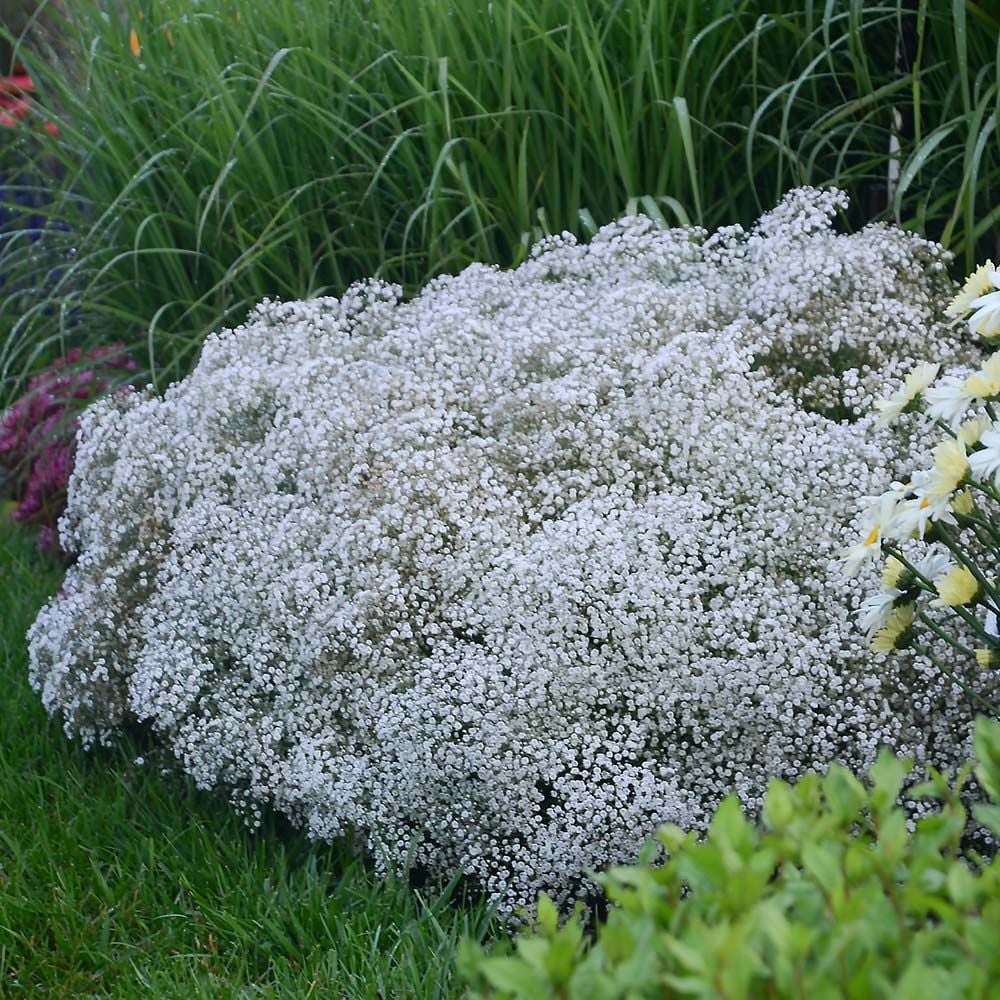
- Image 2: A close-up of Gypsophila Summer Sparkles flowers. The flowers are semi-double, with a light pink center and white petals. They have a slightly sweet fragrance.
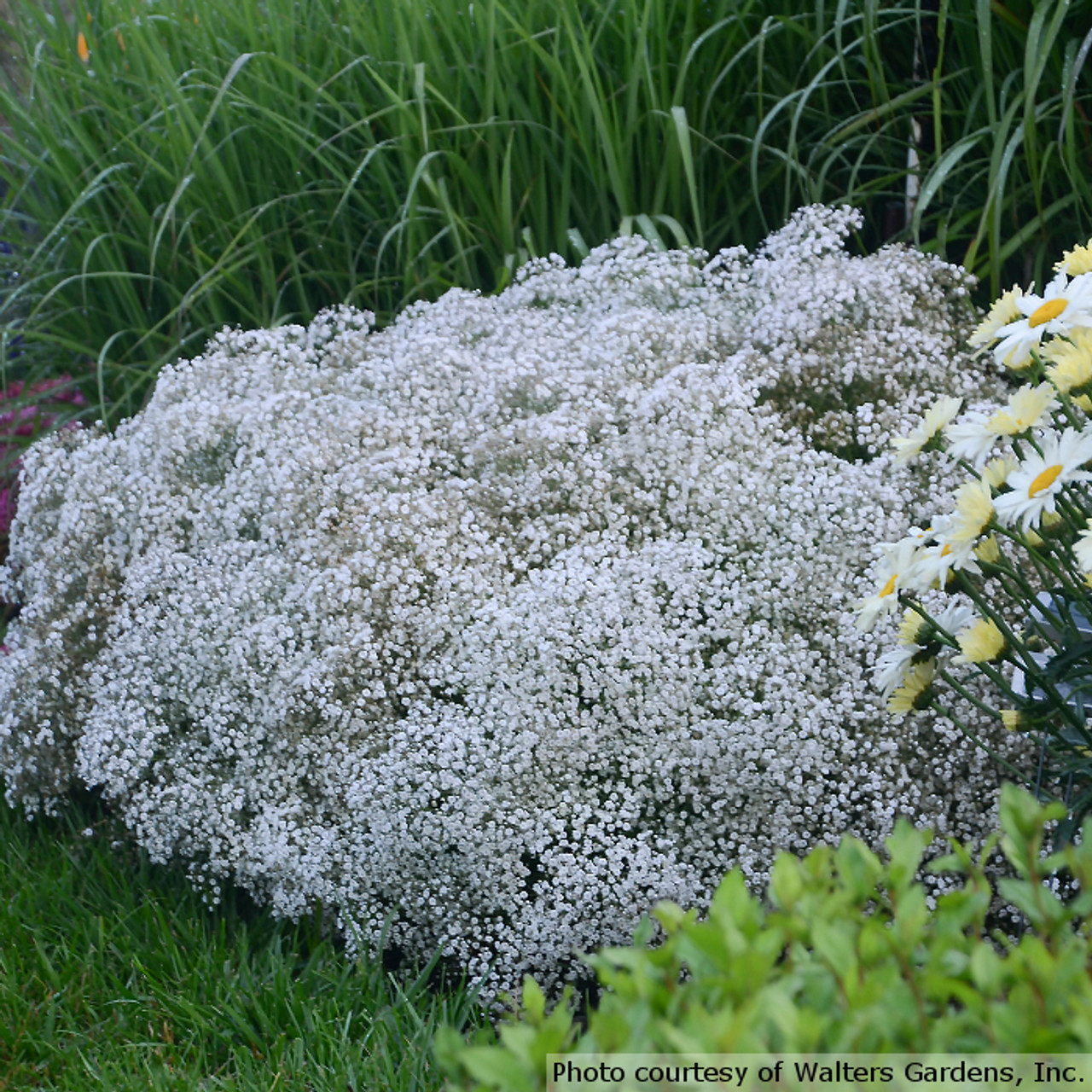
- Image 3: A field of Gypsophila Summer Sparkles flowers in bloom. The flowers are white and pink, and they create a beautiful, cloud-like effect.

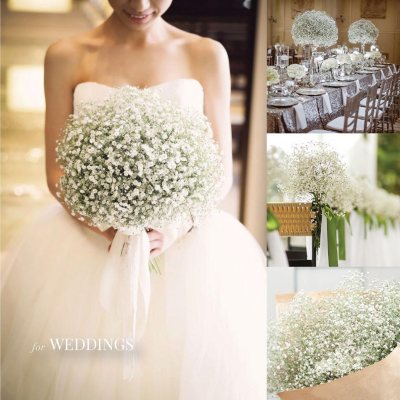
- Image 4: A wedding bouquet made with Gypsophila Summer Sparkles flowers. The flowers are combined with white roses and greenery to create a classic and elegant bouquet.
- Image 5: A centerpiece made with Gypsophila Summer Sparkles flowers. The flowers are arranged in a glass vase with white candles and greenery.


Post a Comment for "Gypsophila Summer Sparkles: The Perfect Flower For Adding A Touch Of Elegance To Your Garden"